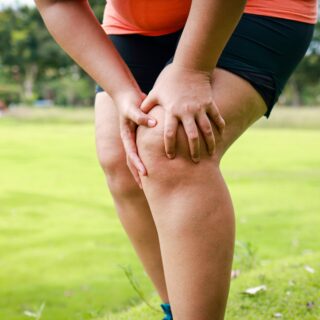





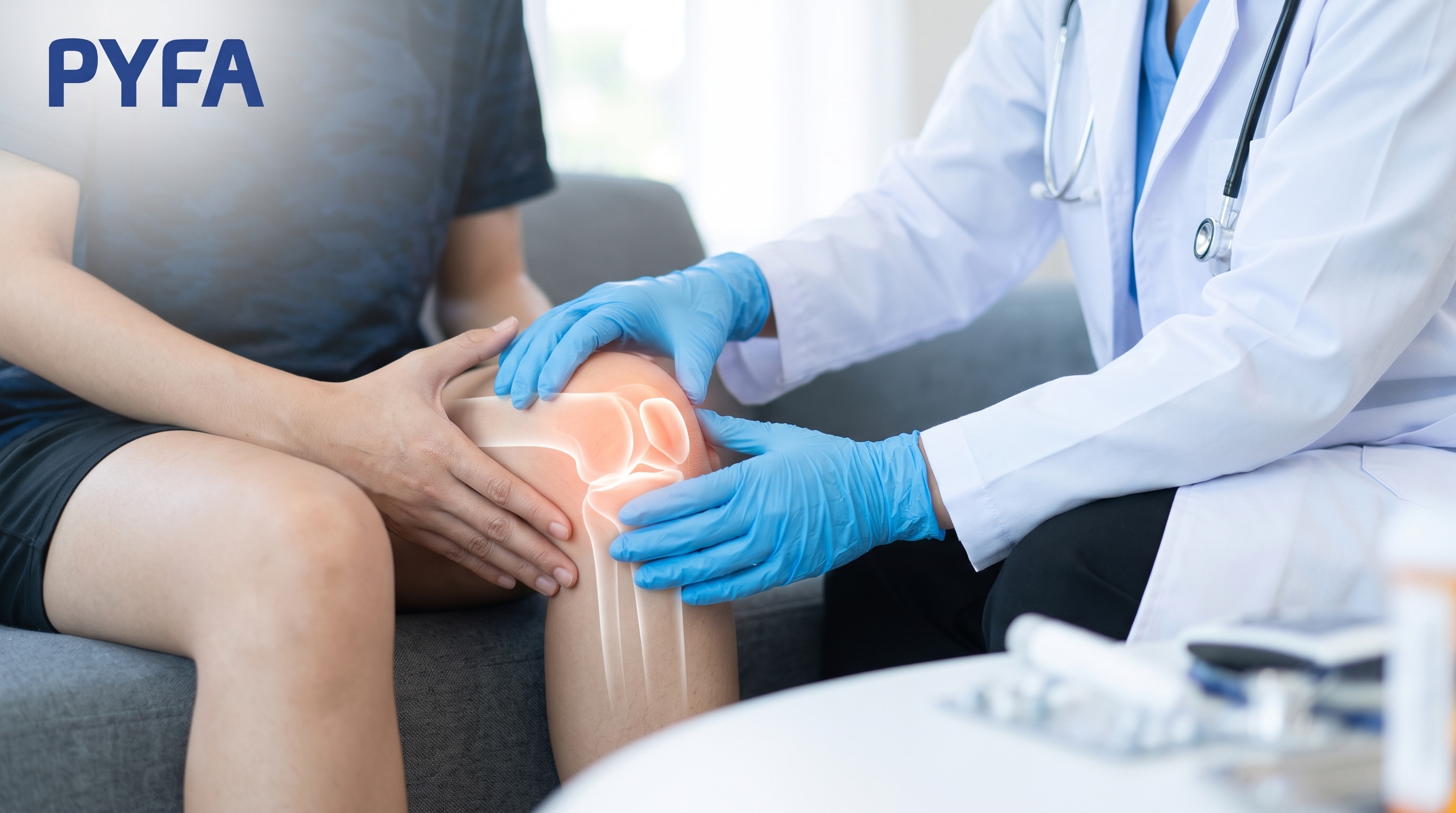
Knee pain is one of the primary symptoms of knee osteoarthritis (KOA), a chronic degenerative joint disease characterized by articular cartilage breakdown, inflammation of the synovial membrane (synovitis), reduced synovial fluid, and structural changes in the subchondral bone. According to the Global Burden of Disease Study cited in the journal Bone Research (2026) and fact sheet data from the World Health Organization (WHO), approximately 528 million people worldwide live with osteoarthritis, making it the 11th leading cause of disability globally. At the national level, the 2018 Basic Health Research (Riskesdas) National Report by the Indonesian Ministry of Health recorded that the prevalence of joint disease diagnosed by healthcare professionals in Indonesia reached 7.3%. Modern management of knee pain does not always require intra-articular injection procedures; instead, it can be managed effectively through oral anti-inflammatory therapy, chondroprotective agents that support cartilage matrix formation, and oral joint health supplements containing a combination of Sodium Hyaluronate and Boswellia serrata.
Why Does Knee Pain Happen? Understanding Its Causes and Medical Mechanisms
The question of why knee pain happens often arises when a person experiences aching during movement, joint stiffness, a grating or crackling sound (crepitus), and reduced mobility, even before severe anatomical damage appears on initial radiographs. Within the WHO International Classification of Diseases, 10th Revision (ICD-10) medical coding system used across Indonesian healthcare facilities, this complaint is recorded under the knee pain ICD-10 code M25.56 (Pain in joint, lower leg) for lower limb joint pain symptoms, or M17 (Gonarthrosis or arthrosis of knee) for a specific diagnosis of knee osteoarthritis.
According to a scientific publication by Umar et al. (2026) in Bone Research, the prevalence of knee osteoarthritis has increased 2.1-fold since the 1950s in parallel with rising life expectancy and global population body weight. Beyond age and body weight, growing public participation in high-impact sports such as long-distance running (21K half marathons and marathons) without adequate joint nutritional preparation also elevates the risk of structural injury. Escalating training intensity too rapidly beyond the musculoskeletal system’s tolerance threshold can trigger progressive tissue damage and deplete the knee’s natural lubrication.
Pathophysiologically, five primary mechanisms explain why the knee feels painful and achy:
- Synovial Inflammation (Synovitis) and Enzymatic Degradation: Cartilage breakdown triggers the release of pro-inflammatory mediators such as Interleukin-1 beta (IL-1 beta), Interleukin-6 (IL-6), and Tumor Necrosis Factor-alpha (TNF-alpha). These cytokines activate the NF-kB and MAPK cellular signaling pathways, stimulating the release of cartilage matrix-degrading enzymes, primarily Matrix Metalloproteinase-13 (MMP-13) and ADAMTS.
- Depletion of Synovial Fluid Lubrication: Synovial fluid containing hyaluronic acid plays an essential role as a shock-absorbing cushion and joint lubricant. When a joint undergoes excessive mechanical stress and inflammation, the viscoelastic quality of synovial fluid declines, accelerating bone-on-bone friction.
- Peripheral and Central Nerve Sensitization: Structures surrounding the knee joint, including the joint capsule, ligaments, meniscus, periosteum, and subchondral bone, contain a dense network of pain receptors (nociceptors). The release of prostaglandin E2 (PGE2) and Nerve Growth Factor (NGF) heightens the sensitivity of A-delta nerve fibers (which transmit sharp, localized pain) and C fibers (which transmit dull, aching pain), resulting in an exaggerated pain response to mechanical pressure (hyperalgesia).
- Asymmetrical Mechanical Load (Left vs. Right Knee Pain): Specific complaints regarding the causes of left knee pain or why the right knee hurts are closely tied to the mechanical phenotype of osteoarthritis. Pain predominantly affecting one side of the knee is typically triggered by a history of prior knee injury (such as ligament or meniscus tears), lower limb axis misalignment (malalignment), or uneven body weight distribution while walking and running.
- Subchondral Bone Lesions and Metabolic Dysfunction: Damage to the bone beneath the articular cartilage forms Bone Marrow Lesions (BMLs) characterized by an acidic microenvironment, where osteoclasts release Netrin-1 and NGF that stimulate the growth of new pain-sensing nerves. Furthermore, metabolic factors such as obesity drive oxidative stress (Reactive Oxygen Species or ROS) and systemic inflammation, accelerating the death of cartilage cells (chondrocytes).
Knee Pain Does Not Always Require Injections: The Evolution of Precision Joint Therapy
Many patients delay treatment because they assume joint therapy always involves injections, whereas managing knee pain does not always require injections. In accordance with the IRA Recommendations for the Diagnosis and Management of Osteoarthritis issued by the Indonesian Rheumatology Association and clinical reviews in Bone Research (2026), knee osteoarthritis therapy is structured in progressive stages and tailored to each patient’s phenotypic profile (precision medicine).
A non-invasive approach combining biomechanical load education, weight management, and oral pharmacological agents alongside joint nutritional supplements can target inflammatory pathways and help maintain cartilage matrix density without repeated injections. Below is a comparison of the characteristics of the three main modalities in managing knee pain:
- Oral Therapy (Tablets or Capsules): Taken regularly by mouth, this method is non-invasive and highly practical for long-term home care without needle trauma. Examples of therapeutic agents include oral combinations of Sodium Hyaluronate and Boswellia serrata, Glucosamine, Chondroitin, MSM, oral NSAIDs, and Vitamin D3. Their primary mechanisms of action involve suppressing systemic inflammatory cytokines (COX-2, IL-1 beta, TNF-alpha), nourishing the extracellular cartilage matrix (ECM), and lubricating the joint from within.
- Injection Therapy (Intra-Articular): Administered by injecting active substances directly into the knee joint space by a physician at a healthcare facility. Examples include injections of Hyaluronic Acid (HA), Platelet-Rich Plasma (PRP), corticosteroids (Dexamethasone), and mesenchymal stem cells (MSCs). Their primary mechanisms focus on improving local synovial fluid viscoelasticity or suppressing acute inflammation within the joint cavity.
- Topical Therapy (Gels or Patches): Applied directly onto the skin surface over the knee area. Examples include topical NSAIDs, Gutong Patch (GTP), and topical Strontium Chloride Hexahydrate. Their primary mechanism is relieving localized nociceptive pain for mild-to-moderate symptoms with minimal systemic gastrointestinal exposure.
Evidence-Based Oral Therapy Options for Effective Knee Pain Relief
Selecting a rational knee pain therapy requires addressing two primary objectives: relieving inflammatory pain symptoms and preserving joint structural integrity to prevent progressive deterioration. When looking for over-the-counter knee pain medication at a pharmacy or consulting a physician to determine an effective knee joint pain treatment, four main evidence-based therapeutic categories stand out:
- Sodium Hyaluronate and Boswellia serrata
Hyaluronic acid (Hyaluronic Acid or HA) is a primary component of synovial fluid that maintains joint viscoelasticity and mobility. Biomedical research in Bone Research (2026) demonstrates that hyaluronic acid also interacts with CD44 receptors on chondrocytes to help preserve joint health.- While hyaluronic acid was previously administered predominantly via intra-articular injection, oral formulations are now available in triple-layer tablet form that combine Sodium Hyaluronate and Boswellia serrata gum resin extract. This oral combination of sodium hyaluronate and Boswellia serrata helps support joint health conveniently without injection procedures.
- Chondroprotective Agents (Glucosamine, Chondroitin, and MSM)
Inadequate nutritional support for bones and joints often contributes to injuries that threaten mobility when knee pain is pushed through without proper care. Consequently, the body requires chondroprotective agents capable of supporting and maintaining joint health.- Synergistic Nutritional Support: These joint nutritional needs can be met through oral joint health supplements that combine D-glucosamine sulfate potassium and chondroitin sulfate sodium, fortified with Methyl Sulfonyl Methane (MSM), vitamin C, and essential minerals such as magnesium, zinc, manganese, and selenium.
- Oral Nonsteroidal Anti-Inflammatory Drugs (NSAIDs)
To relieve acute pain in the inflammatory phenotype, NSAIDs act by inhibiting COX-1 and COX-2 enzymes to halt the production of inflammation-inducing prostaglandins.- Clinical Efficacy: Several KOA clinical trials evaluating Ibuprofen 800 mg (NCT00565084), Naproxen (NCT00790985), and the selective COX-2 inhibitor Celecoxib (NCT01341405 and NCT02688400) have demonstrated reductions in WOMAC pain scores and short-term improvements in physical function.
- Medical Considerations: Umar et al. (2026) note that NSAIDs focus on relieving inflammatory symptoms (symptom-modifying) without restoring damaged cartilage structure, and require caution in patients with gastrointestinal and cardiovascular comorbidities.
- Herbal Remedies, Vitamins, and Minerals (Vitamin D3 and Calcium)
Individuals seeking natural (herbal) remedies for knee pain are now supported by growing scientific evidence explaining how botanical extracts and micronutrients protect joint cells:- Antioxidant Phytochemicals and AMPK Activators: Alongside Boswellia serrata, research in Bone Research (2026) highlights the efficacy of Curcumin and Ginsenoside Rh1, which protect chondrocytes by activating AMPK/PINK1/Parkin-mediated mitophagy to restore mitochondrial function in cartilage cells. Other natural compounds such as Lycopene activate the Nrf2/HO-1 antioxidant pathway, inhibiting NF-kB and STAT3 translocation and thereby reducing COX-2 and MMP-13 enzymes. Additionally, a clinical trial by Ni et al. (2024) showed that combining the traditional herbal formula San-Bi-Tang with glucosamine sulfate significantly lowered VAS and WOMAC pain scores in patients with KOA.
- Vitamin D3 and Calcium: Because osteoarthritis damage also affects the subchondral bone, adequate vitamin D and calcium intake is essential. A Phase IV clinical trial (NCT04177758) and a randomized controlled trial by Srivastava et al. (2024) involving 240 KOA subjects demonstrated that oral Vitamin D3 supplementation significantly reduced knee pain and improved KSS and WOMAC functional scores. A study by Amirkhizi et al. (2023) further showed that sufficient vitamin D levels correlate directly with higher total antioxidant capacity (TAC and the PON-1 enzyme) and lower levels of the cartilage-degrading enzymes MMP-1 and MMP-13.
Frequently Asked Questions (FAQ)
1. What causes knee pain in productive-age adults versus older adults?
To answer what causes knee pain, the underlying triggers involve an interplay between mechanical stress and biological processes within the joint. In older adults, the primary cause is osteoarthritis driven by cellular aging (senescence), dysregulation of genetic signaling pathways (Wnt/beta-catenin and TGF-beta/Smad3), cartilage thinning, and reduced synovial fluid. In working-age adults, knee pain is typically triggered by mechanical overload, such as abruptly increasing running intensity without adequate joint nutritional support, a history of ligament or meniscal injury, and obesity.
2. What conditions can knee pain indicate?
Understanding what condition knee pain may indicate most commonly points to an early sign of Knee Osteoarthritis (KOA), particularly when accompanied by joint stiffness, pain during weight-bearing activities, and a grating sound (crepitus). Beyond osteoarthritis, knee pain can also signal inflammation of the synovial membrane (synovitis), subchondral bone marrow lesions, soft tissue injuries (to the meniscus or ligaments), or other forms of inflammatory arthritis such as gout (uric acid crystal deposition) and rheumatoid arthritis.
3. How can knee pain be managed effectively without injections?
The right steps in how to manage knee pain non-invasively encompass three core pillars:
- Mechanical Load Modification: Maintaining an ideal body weight to reduce physical pressure on the knee joints and gradually increasing exercise intensity.
- Inflammation Control: Utilizing oral or topical anti-inflammatory therapies as directed by a doctor when acute inflammatory pain occurs
- Internal Nutritional Support for Bone and Joint Health: Taking joint health supplements regularly, such as an oral combination of Sodium Hyaluronate and Boswellia serrata extract, complemented by chondroprotective joint nutrition containing glucosamine, chondroitin, and MSM, as well as bone health vitamins and minerals such as vitamin D3 and calcium.
Conclusion
Comprehensively understanding why knees hurt empowers individuals to take timely action before permanent joint damage occurs. Clinical studies confirm that knee pain is not merely surface wear-and-tear of cartilage, but a multifaceted disorder involving depleted synovial lubricating fluid, cytokine inflammation, activation of destructive MMP-13 enzymes, and subchondral bone alterations.
Modern clinical management affirms that knee pain does not always need to be resolved through injections. Through sensible biomechanical load management, weight control, and targeted oral therapies such as combinations of Sodium Hyaluronate and Boswellia serrata, alongside chondroprotective agents, vitamin D3, and essential minerals, joint and bone health can be effectively maintained.
References
- Umar, M., Wang, Z., Li, J., Li, Z., Li, G., Tong, L., & Chen, D. (2026). Novel therapeutic strategies for osteoarthritis: from mechanistic insights to precision medicine. Bone Research, 14(64), 1-19. https://doi.org/10.1038/s41413-026-00540-6
- Abbafati, C., et al. (2020). Global burden of 369 diseases and injuries in 204 countries and territories, 1990-2019: a systematic analysis for the Global Burden of Disease Study 2019. The Lancet, 396(10258), 1204-1222.
- World Health Organization (WHO). (2023, July 14). Osteoarthritis (Fact Sheet). Retrieved from the official WHO website: https://www.who.int/news-room/fact-sheets/detail/osteoarthritis
- World Health Organization (WHO). (2019). International Statistical Classification of Diseases and Related Health Problems 10th Revision (ICD-10): Chapter XIII – Diseases of the musculoskeletal system and connective tissue (M17 Gonarthrosis & M25.56 Pain in joint, lower leg). Geneva: World Health Organization. https://icd.who.int/browse10/2019/en
- National Institute of Health Research and Development, Ministry of Health of the Republic of Indonesia. (2019). Laporan Nasional Riset Kesehatan Dasar (Riskesdas) 2018 (Data on joint disease prevalence in Indonesia: 7.3%). Jakarta: Lembaga Penerbit Badan Penelitian dan Pengembangan Kesehatan Kementerian Kesehatan RI.
- Indonesian Rheumatology Association (IRA). (2014). Rekomendasi IRA untuk Diagnosis dan Penatalaksanaan Osteoartritis. Jakarta: Perhimpunan Reumatologi Indonesia (ISBN: 978-979-3730-24-0).
- PT Pyridam Farma Tbk (PYFA). (2026, October 14). Tren Lari Melonjak Pesat, Pyridam Farma (PYFA) Dorong Pelari Indonesia Lindungi Sendi dan Tulang Sejak Dini (Medical Resource: dr. Carlinda Nekawaty, AVP of Medical Affairs PYFA). Jakarta: PYFAHEALTH.